Humans are naturally inclined to predict things. From trying to guess when traffic will clear up during balik kampung trips to deciding whether or not to carry an umbrella on a sunny day, we’re wired to want to know the future so we can feel in control.
This instinct spills over into investing as well. There are still many of us believe we can strategise and predict the market (also known as “timing the market”), to trade actively — buy low, sell high — so as to maximize returns. But let’s face it, how often do our predictions about the weather, traffic, or even the stock market actually hold true?
Why do we like predicting so much?
We are programmed to avoid uncertainty and ambiguity, our brains are literally wired that way. For example, balik kampung trips often see families leaving at odd hours to avoid a jam, but many still get stuck in traffic because the truth is many others may be thinking the same way.
From a young age, we instinctively try to make sense of uncertainty by coming up with plausible explanations. Once we form these explanations, we cling to them because they give us a comforting, albeit misleading, sense of control.
This too is common in investing — many who are driven by fear and the desire to avoid losses often take steps to try to predict and beat the market. In other words, trying to stay ahead of the curve.
Even the experts struggle — so, why should you?
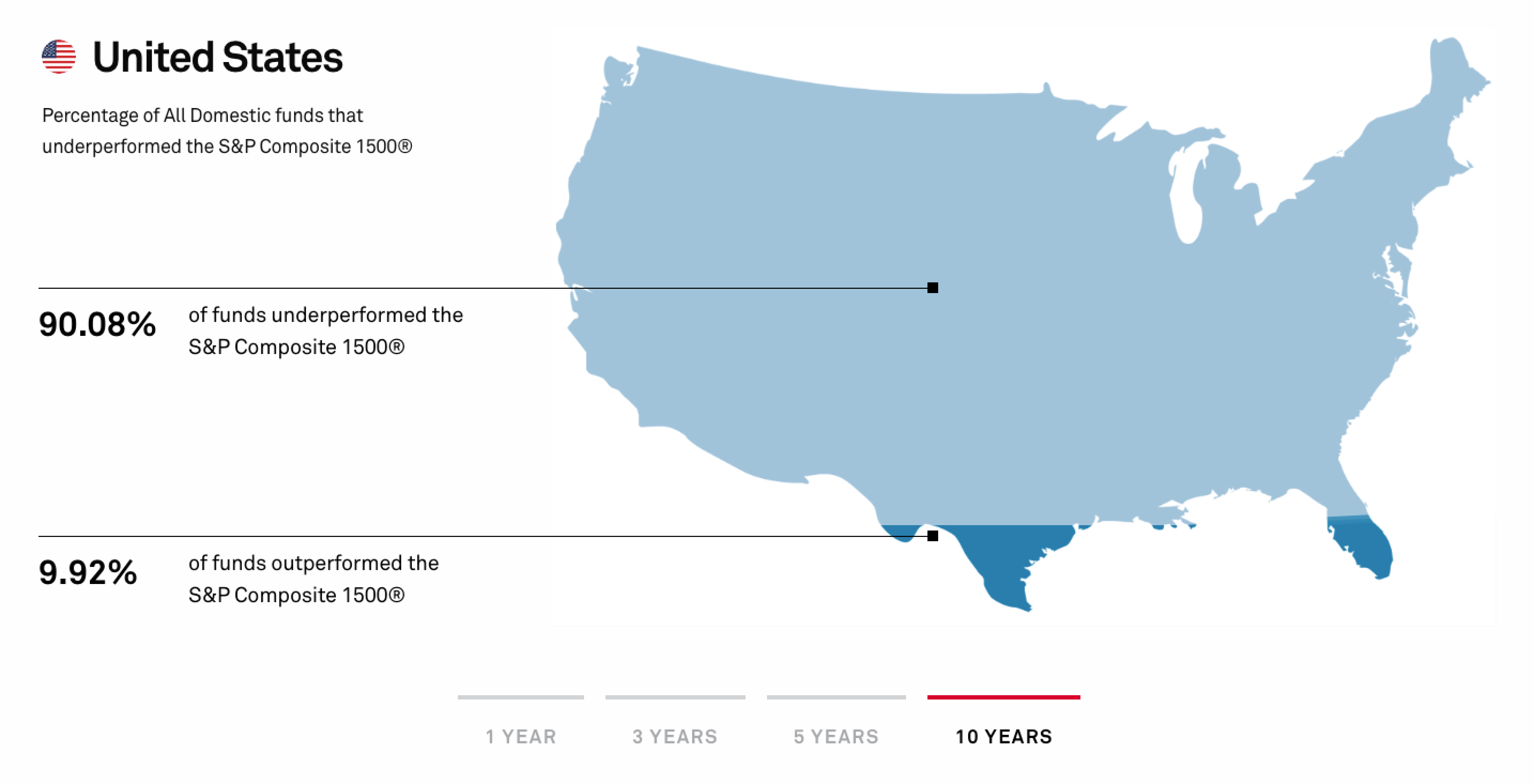
Even seasoned fund managers and day-traders, with their wealth of tools and expertise, often fail to continuously outperform the market. According to the SPIVA report, the majority of actively managed funds underperform the benchmark index (a basket of stocks) over time.
Here are some of the major pitfalls of trying to actively trade and 'time the market':
- Emotional decision-making
Most investors wouldn’t like admit it, but in truth market timing often leads to decisions driven by fear or greed, rather than logic. When prices drop, fear can make you sell. When prices rise, greed can push you to buy at the peak. During a market crash, you might panic and sell everything, locking in losses. Later, when prices recover, you might buy back at a higher price, losing twice. - Getting busy will only cost you more
The mantra of “buy low and sell high” also leaves away with one small wisdom — if you do it every so often, the transacting cost (charged by dealers and brokers) will eat into your returns. With that you must also generate returns substantial enough to offset fees and costs. - Missing the Best Days
Timing the market often means hopping in and out based on predictions. The problem? Nobody knows when the market's "best days" will happen. Imagine you're out of the market (made a withdrawal) because you think prices will drop either due fear of losses or a plan to buy more at a lower price. Suddenly, the market surges, and you miss a 5% jump in a single day. Missing just a few of these days can drastically cut your overall returns. We’ve illustrated how this can be costly over time here.
Despite these major pitfalls, most of us tend to want to ‘outsmart’ everyone else and the market which can prove to be not beneficial in the long run. Maybe the actual smarter choice is to take a more ‘passive’ or less work approach to investing.
Eyes on the prize, time is your ally
So if you’re like any other investor looking to make significant returns on your investment, here are some of the strategies you can adopt:
- Set a goal and stick to it
As would any journey you’d want to take, there’s a destination you need to set. Similarly with investing, goal setting is the most crucial part when you start. Investment shouldn’t be made on a whim and the time to get to your goal should also be reasonable. All you have to do next is to stick to the plan. There’s a famous saying by Warren Buffett the investment guru: “If you aren't willing to own a stock for 10 years, don't even think about owning it for 10 minutes.” - Investment is there to work for you, so don’t disturb it
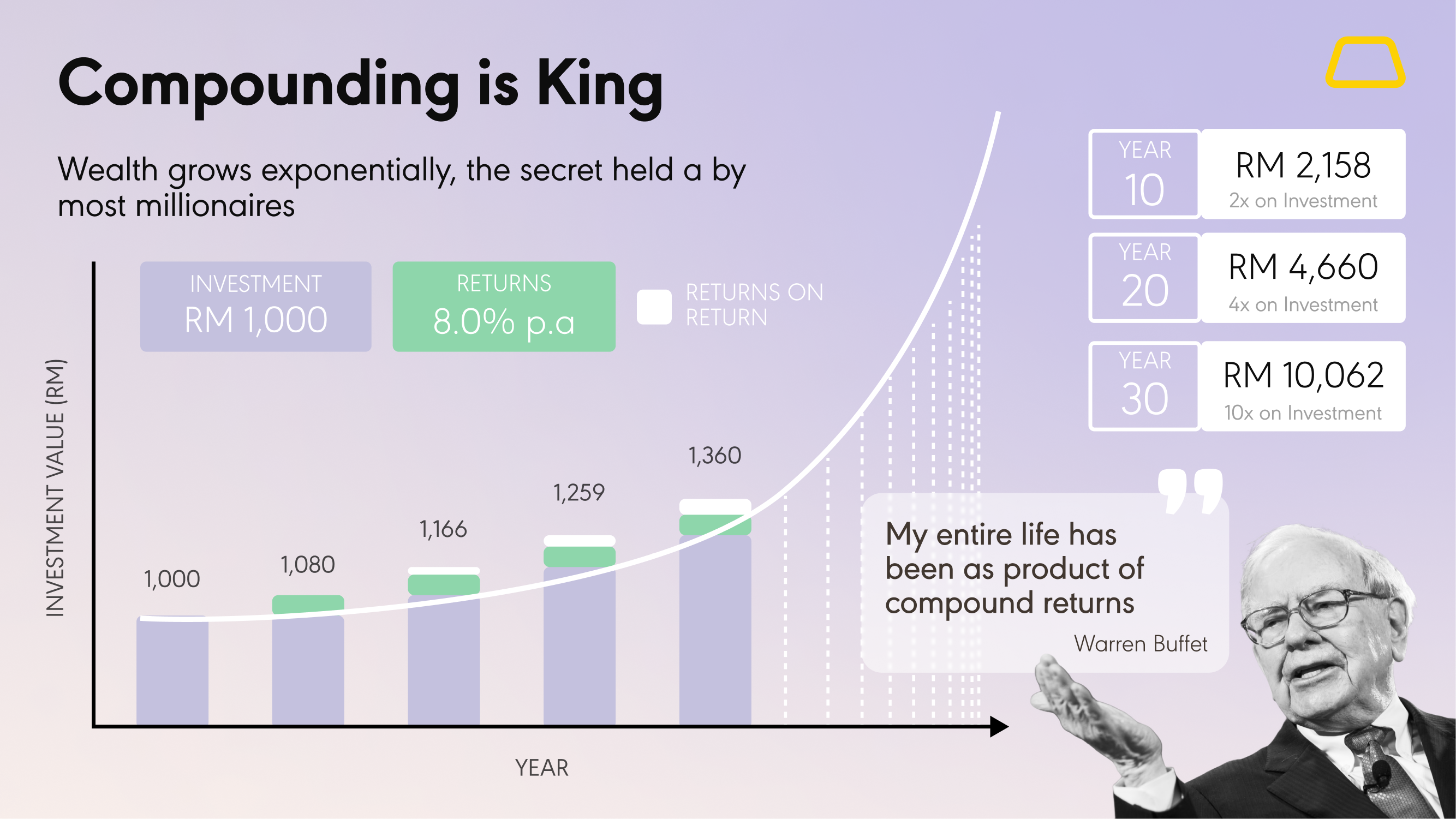
Now that you’ve set your goal and put your money to it, there’s the power of compounding at work, and like a diligent worker you’ve set it goals to achieve — just don’t disturb it. That means you should have a separate emergency cash and not withdraw from it unless absolutely necessary, which is when you’ve achieved your set goal.
- Short term noise, long term bigger picture
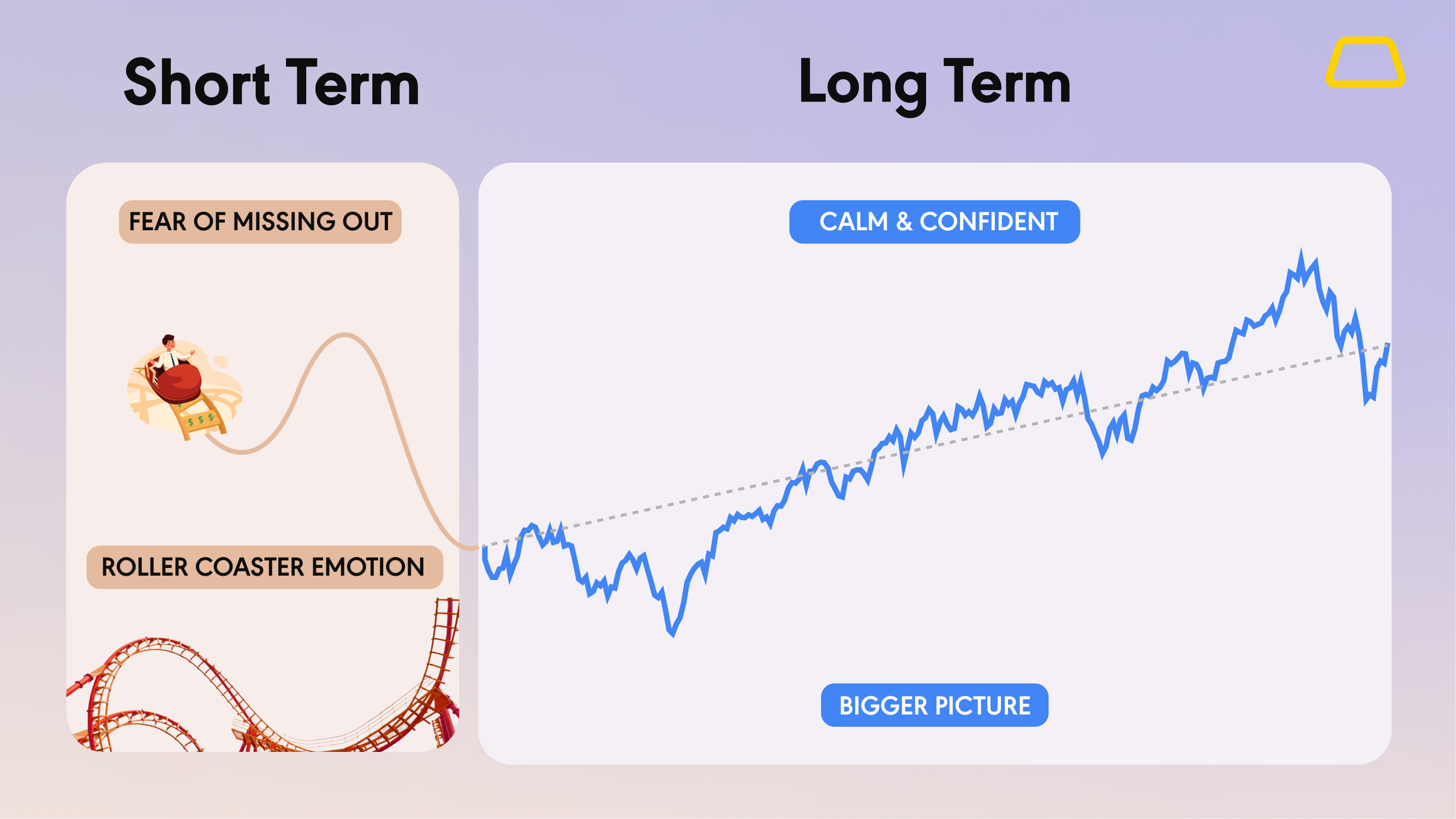
It is easy to get distracted through your investment journey especially with the news on the market going up (or down). These are noise and it can affect you emotionally — fear of missing out or losing especially when you act on it. It is important to note that the time horizon for investing is usually stretched in years not in days and months. So market movements are usually a blip in a grander scheme of things — and they do tend to get better over time. Best way to make is to turn to time rather than emotions as your best friend in investing and make the most with dollar-cost averaging.
What should I do then?
Stay in the market. Even if you invest at the worst possible times, the long-term benefits of staying invested far outweigh the risks of market timing. Predicting the market is like predicting traffic jams — sometimes you get it right, but most of the time, you don’t.
Instead of trying to time the market, focus on time in the market. Over the years, compounding returns and consistency will do the heavy lifting, ensuring your wealth grows steadily.
When can you reach your first RM1 Million?
Try out the calculator below.